


Introduction to Anxiety Disorders
- hina khan
- Apr 25, 2023
- 3 min read

Welcome to Module 3,
anxiety disorders. This is Lecture 1, our
introductory lecture. If you recall, we
began Module 2, mood disorders with a discussion
of emotions and the way they fluctuate in
normal predictable ways in our daily lives. In this lecture, we're going to have the same discussion
about anxiety. What anxiety is, as well as how we experience
it in normative, predictable ways in our lives. Then we will finish
up this lecture with an overview of
anxiety disorders. What is anxiety?
Anxiety is defined as a very specific
negative mood state. Anxiety can take many forms, but it is always
characterized by physical sensations and
a feeling of concern, worry, or apprehension
about the future. I'm sure all of us are
familiar with this experience, anxiety is a part of our everyday lives
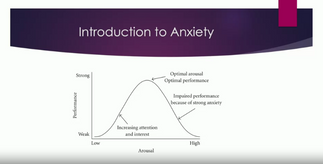
and emotional worlds. In fact, research has shown that moderate amounts of anxiety
is actually good for us. If you're anxious about an exam, you study harder and
you focus better. If you're anxious about a job
interview or a dinner date, you work harder to make
a good impression. If you experience little or no anxiety in any of
those situations, chances are good
you will not try as hard and you will
not do as well. The research evidence is clear. Moderate levels of anxiety
improve performance. What happens in these
situations, however, if you experience extremely
high levels of anxiety, research tells us that
excessively high anxiety, like excessively low anxiety, leads to poor performance. If you're too anxious
about an exam, you may be unable to settle down and focus on
studying for it. When you take the exam, your heart may race, your mind may go blank
and you may fail it. Similarly, extremely
high anxiety in a job interview or on a dinner date may lead you
to make a poor impression. You may feel physically sick, your mind may go blank. You may be unable to focus on the other person and maintain the flow of
the conversation. As a result, you're
unlikely to be offered the job or to
have another date. Moderate levels of
anxiety are helpful, while very low and very
high anxiety are harmful. Anxiety disorders
are characterized by extremely high
levels of anxiety that show up in particular ways causing very specific
problems for people. We're going to conclude this introductory
lecture with a few words about fear and how fear is
different from anxiety. Fear is defined as our immediate reaction to the presence of danger
in the here and now. If you're hiking
in the mountains and you come around the bend in the trail and you find yourself
face to face with a bear, you will experience fear. The emotional and
physical reaction to the presence of
immediate danger. Your heart rate and blood
pressure will shoot up. You may feel terrified. You may feel an overwhelming
impulse to flee or escape, or possibly to fight. How does fear differ
from anxiety? Remember our original
definition of anxiety. Anxiety involves the future. Fear, on the other hand, is the response to thepresence of a current danger. What happens if a person experiences a strong
fear response? Yet there's nothing in the immediate environment
that poses a threat. In this situation,
the fear response is considered a type of
anxiety called panic. A panic episode or panic attack, occurs when a person
experiences a fear response. A feeling of intense
terror accompanied by physical symptoms and
the overwhelming urge to flee or escape yet there is no danger in the
surrounding environment that causes the reaction. Sometimes people
know what situations will activate a panic response, such as crossing a bridge or being in a large crowd of people. These are expected or
cued panic episodes. Other times, people experience
panic as if from nowhere, they have no idea
what brings it on. These are known as unexpected
or uncued panic episodes. We will talk more about these
experiences in lecture 2, when we have a more
detailed discussion about the various types
of anxiety disorders.



Comments